
Understanding the Costs and Benefits of pressure dosed septic systems vs. Gravity Feed Systems in Colorado: A Soil Quality Perspective
- Ern Dog
- Mar 26
- 6 min read

When you’re looking to install a septic system in Colorado, understanding the cost differences and benefits between pressure dosed systems and gravity feed systems can save you thousands of dollars. The price range for these systems varies widely, from about $8,500 to $15,000 for gravity feed systems, and $24,000 to $50,000 or more for pressure dosed engineered systems, especially for larger homes like 10-bedroom properties. The key factor influencing these costs is soil quality, which you can only determine through soil and perc testing on the lot you plan to purchase or develop.
This post breaks down the reasons behind these cost differences and explains why soil quality plays such a crucial role in choosing the right septic system for your Colorado property.


Septic system installation site showing soil layers and equipment in Colorado
1. What Are Gravity Feed and Pressure Dosed? How do they effect costs of Colorado Septic Systems?
Before diving into costs, it helps to understand how these two systems work.
Gravity Feed Systems rely on natural slope and soil permeability to move wastewater from the septic tank to the drain field. They require less mechanical equipment and fewer pumps.
Pressure Dosed Systems use pumps to distribute wastewater evenly across the drain field. This system is engineered to work in challenging soil conditions or flat terrain where gravity alone won’t do the job.
Because pressure dosed systems involve pumps and more complex design, they tend to be more expensive.
2. Why Gravity Feed Systems Cost Less in Colorado
Gravity feed systems in Colorado typically range from $8,500 to $15,000 depending on the size and pressure requirements. The lower cost is mainly due to:
Less excavation needed: Gravity systems don’t require deep digging or extensive soil replacement.
No need for sand or fill material: If your soil drains well, you avoid the costly step of trucking in sand or other fill to improve drainage.
Simpler installation: Fewer mechanical parts mean less labor and fewer materials.
If your soil is good enough, a gravity feed system can save you a lot of money upfront and reduce maintenance costs over time.
3. Why Pressure Dosed Systems Are More Expensive
Pressure dosed engineered systems start around $24,000 and can exceed $50,000 for large homes, such as 10-bedroom properties. The higher cost comes from:
Overexcavation: To install these systems, contractors often need to dig deeper and wider trenches.
Trucking in fill material: Many Colorado soils don’t drain well, so sand or other materials are brought in to improve absorption.
Complex equipment: Pumps, control panels, and pressure dosing components add to both material and labor costs.
Engineered design: These systems require detailed planning and permits, which add to the overall cost.
This investment is necessary when soil conditions won’t support a gravity feed system.

Pressure dosed septic system pump and control panel installed in Colorado
4. The Role of Soil Quality in Choosing Your Septic System
Soil quality is the most important factor when deciding between these two systems. Here’s why:
Good soil drains quickly: Sandy or loamy soils allow wastewater to percolate naturally, making gravity feed systems viable.
Poor soil drains slowly: Clay or rocky soils hold water, requiring pressure dosed systems with engineered solutions.
Soil testing and perc testing are essential: You cannot guess soil quality by looking at the surface. Only professional soil and perc tests can reveal if your lot supports a gravity feed system or needs a pressure dosed system.
If you’re buying land or building a home in Colorado, insist on soil testing before making decisions about septic systems. This step can save you from unexpected costs and delays.

5. Practical Examples of Cost Differences Based on Soil
A homeowner in a Colorado prairie area with sandy soil installed a gravity feed system for $9,000. The natural slope and soil quality eliminated the need for pumps or fill material.
Another homeowner in a Mountain valley with clay soil spent $45,000 on a pressure dosed system. The contractor had to bring in tons of sand and install pumps and control panels to meet local health codes.
Realtors often advise buyers to request soil and perc tests before closing on a property to avoid surprises in septic system costs.

88ft by 4 row pressure dosed system.
6. What You Should Do Next
Get soil and perc testing done early: This is the only way to know which system fits your lot.
Compare bids carefully: Ask contractors to explain how soil quality affects their cost estimates.
Consider long-term costs: Pressure dosed systems may cost more upfront but can protect your property from failure in poor soil.
Work with local experts: Colorado septic regulations vary by county, so local knowledge is key.
Choosing between pressure dosed and gravity feed septic systems in Colorado comes down to your soil quality and the size of your home. Gravity feed systems offer lower costs and simpler installation when soil conditions are favorable. Pressure dosed systems provide engineered solutions for challenging soils but come with higher costs due to excavation, trucking, and equipment.
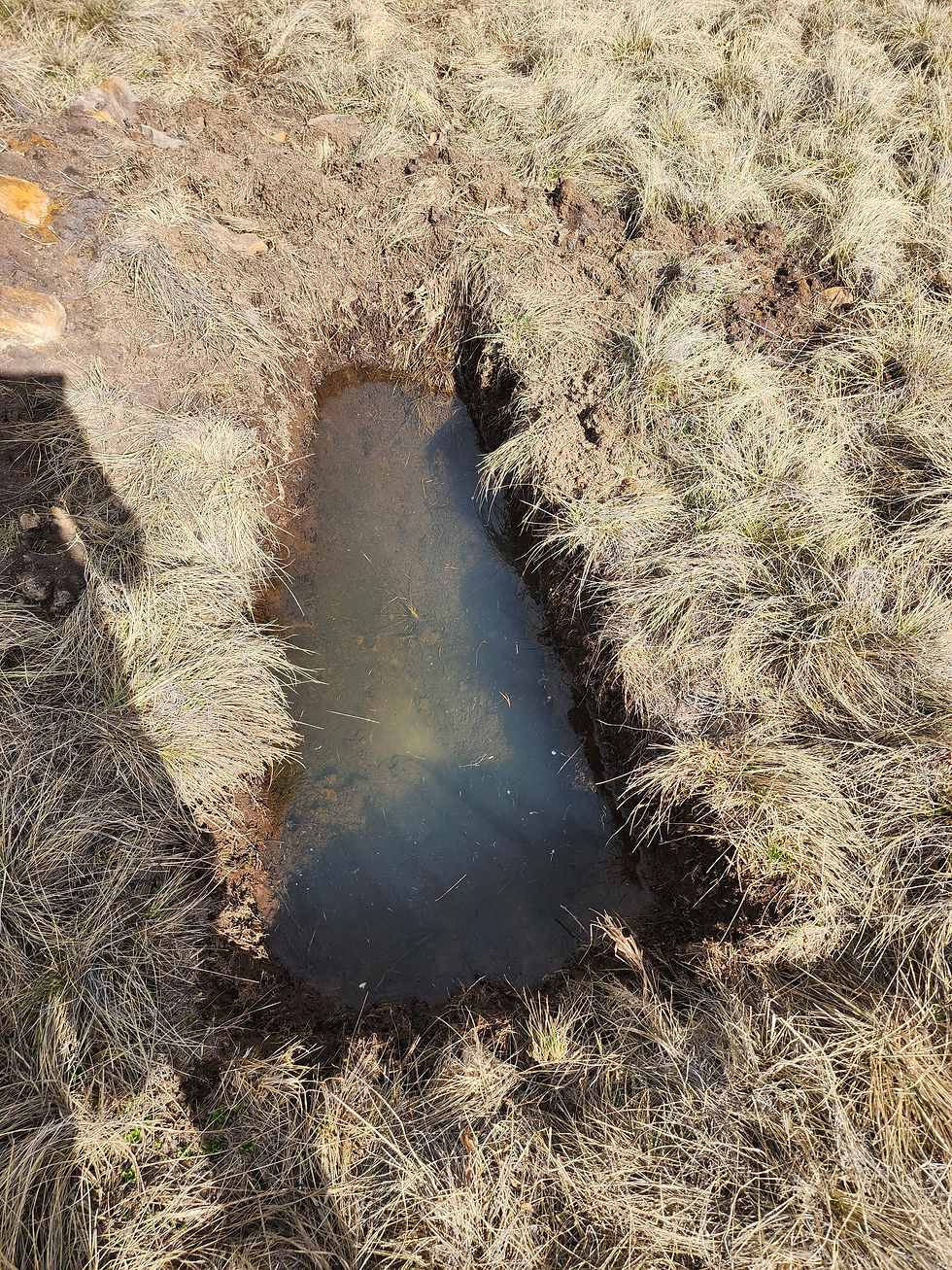
Good soil in Colorado for septic system


Perfect — here is the clean list with ONLY the official county OWTS / septic links.No parentheses, no Bing text, no extras.Just county name + link.
Colorado County OWTS and Septic Permit Links (Clean Version)
Adams Countyhttps://www.adcogov.org/septic-systems (adcogov.org in Bing)
Alamosa Countyhttps://alamosacounty.colorado.gov/environmental-health (alamosacounty.colorado.gov in Bing)
Arapahoe Countyhttps://www.arapahoegov.com/873/Septic-Systems (arapahoegov.com in Bing)
Archuleta Countyhttps://www.archuletacounty.org/150/On-Site-Wastewater (archuletacounty.org in Bing)
Baca Countyhttps://www.bacacountyco.gov/public-health (bacacountyco.gov in Bing)
Bent Countyhttps://www.bentcounty.org/public-health (bentcounty.org in Bing)
Boulder Countyhttps://bouldercounty.gov/environment/septic-systems/ (bouldercounty.gov in Bing)
Broomfield Countyhttps://broomfield.org/EnvironmentalHealth (broomfield.org in Bing)
Chaffee Countyhttps://www.chaffeecounty.org/Public-Health-Septic-Systems (chaffeecounty.org in Bing)
Cheyenne Countyhttps://www.cheyennecountycolorado.com/public-health (cheyennecountycolorado.com in Bing)
Clear Creek Countyhttps://www.clearcreekcounty.us/254/Septic-Systems (clearcreekcounty.us in Bing)
Conejos Countyhttps://www.conejoscounty.org/public-health (conejoscounty.org in Bing)
Costilla Countyhttps://costillacounty.colorado.gov/public-health (costillacounty.colorado.gov in Bing)
Crowley Countyhttps://www.crowleycounty.net/public-health (crowleycounty.net in Bing)
Custer Countyhttps://custercounty-co.gov/public-health (custercounty-co.gov in Bing)
Delta Countyhttps://deltahealthco.org/septic-systems/ (deltahealthco.org in Bing)
Denver Countyhttps://www.denvergov.org
Dolores Countyhttps://dolorescounty.colorado.gov/public-health (dolorescounty.colorado.gov in Bing)
Douglas Countyhttps://www.douglas.co.us/health-department/septic-systems/ (douglas.co.us in Bing)
Eagle Countyhttps://www.eaglecounty.us/EnvironmentalHealth/SepticSystems (eaglecounty.us in Bing)
Elbert Countyhttps://www.elbertcounty-co.gov/onsite-wastewater-treatment-systems (elbertcounty-co.gov in Bing)
El Paso Countyhttps://www.elpasocountyhealth.org/septic-systems (elpasocountyhealth.org in Bing)
Fremont Countyhttps://fremontco.com/public-health/septic-systems (fremontco.com in Bing)
Garfield Countyhttps://www.garfield-county.com/environmental-health/septic-systems/ (garfield-county.com in Bing)
Gilpin Countyhttps://www.gilpincounty.org/departments/public_health/owts.php (gilpincounty.org in Bing)
Grand Countyhttps://www.co.grand.co.us/140/Septic-Systems (co.grand.co.us in Bing)
Gunnison Countyhttps://www.gunnisoncounty.org/EnvironmentalHealth (gunnisoncounty.org in Bing)
Hinsdale Countyhttps://hinsdalecountycolorado.us/public-health (hinsdalecountycolorado.us in Bing)
Huerfano Countyhttps://www.lahd.org/environmental-health/owts (lahd.org in Bing)
Jackson Countyhttps://jacksoncountycogov.com/public-health (jacksoncountycogov.com in Bing)
Jefferson Countyhttps://www.jeffco.us/2335/Septic-Systems
Kiowa Countyhttps://kiowacounty-colorado.com/public-health
Kit Carson Countyhttps://kitcarsoncounty.colorado.gov/public-health
Lake Countyhttps://www.lakecountyco.com/public-health
La Plata Countyhttps://co.laplata.co.us/departments/public_health/owts
Larimer Countyhttps://www.larimer.gov/health/septic
Las Animas Countyhttps://www.lahd.org/environmental-health/owts
Lincoln Countyhttps://lincolncountyco.us/public-health
Logan Countyhttps://logancounty.colorado.gov/public-health Bing)
Mesa Countyhttps://health.mesacounty.us/septic-systems/
Mineral Countyhttps://mineralcounty.colorado.gov/public-health
Moffat Countyhttps://moffatcounty.colorado.gov/public-health
Montezuma Countyhttps://montezumacounty.org/public-health/owts
Montrose Countyhttps://montrosecountycolorado.org/EnvironmentalHealth
Morgan Countyhttps://morgancounty.colorado.gov/public-health
Otero Countyhttps://oterocounty.colorado.gov/public-health Bing)
Ouray Countyhttps://ouraycountyco.gov/EnvironmentalHealth
Park Countyhttps://parkco.us/EnvironmentalHealth
Phillips Countyhttps://phillipscounty.colorado.gov/public-health
Pitkin Countyhttps://pitkincounty.com/EnvironmentalHealth
Prowers Countyhttps://prowerscounty.colorado.gov/public-health
Pueblo Countyhttps://county.pueblo.org/public-health/septic-systems
Rio Blanco Countyhttps://rbc.us/public-health
Rio Grande Countyhttps://riograndecounty.org/public-health
Routt Countyhttps://www.co.routt.co.us/EnvironmentalHealth
Saguache Countyhttps://saguachecounty.colorado.gov/public-health
San Juan Countyhttps://sanjuancounty.colorado.gov/public-health
San Miguel Countyhttps://sanmiguelcountyco.gov/EnvironmentalHealth
Sedgwick Countyhttps://sedgwickcountycogov.com/public-health
Summit Countyhttps://summitcountyco.gov/Septic
Teller Countyhttps://www.co.teller.co.us/PublicHealth/OWTS
Washington Countyhttps://washingtoncounty.colorado.gov/public-health
Weld Countyhttps://www.weld.gov/government/departments/health-environment/septic-systems
Yuma Countyhttps://yumacounty.net/public-health


Comments